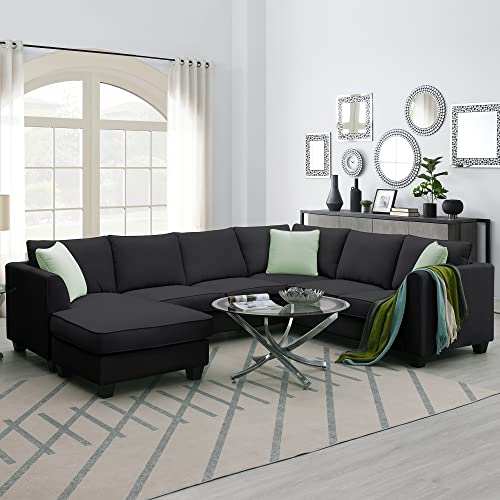
The Ultimate Guide to Leather Couches: Style, Maintenance, and FAQs
When it concerns furniture, few pieces can match the ageless elegance and sturdiness of leather couches. Understood for their stylish look and lasting quality, leather couches have carved out a substantial place in modern homes. Whether you are redecorating your living area or buying your very first couch, understanding the ins and outs of leather upholstery can substantially affect your choice. In this guide, we will explore the various types of leather, upkeep suggestions, advantages and disadvantages, and address frequently asked questions.
Kinds Of Leather Used in Couches
Before diving into maintenance and care pointers, it is necessary to understand the various kinds of leather used in couches. Here's a relative table for quick reference:
| Type of Leather | Description | Resilience | Price Range |
|---|---|---|---|
| Complete Grain | Made from the leading layer of the conceal; keeps natural grain and imperfections. | Highly durable | ₤ ₤ ₤ ₤ |
| Top Grain | Made from the upper layer but sanded and treated for a smoother finish. | Really durable | ₤ ₤ ₤ |
| Corrected Grain | Rubbed and synthetically embossed; frequently colored for consistent appearance. | Moderately durable | ₤ ₤ |
| Bonded Leather | Made from leftover leather scraps and bonded with polyurethane. | Least durable | ₤ |
| Nubuck | Sanded and brushed to create a soft texture; can be prone to discolorations. | Moderate toughness | ₤ ₤ ₤ |
Advantages of Leather Couches
- Toughness: Leather is notoriously durable. It withstands wear and tear much better than fabric options, making it ideal for homes with kids and pets.
- Easy to Clean: Spills can be rubbed out easily, and regular cleaning keeps its look.
- Classic Style: Leather instantly elevates a room's aesthetic and supplies an air of elegance.
- Convenience: Leather adapts to body temperature level, making it comfortable in both summer season and winter season.
- Hypoallergenic: Unlike fabric couches that can trap dust and allergens, leather surfaces are simpler to keep clean.
Disadvantages of Leather Couches
- Expense: Leather couches tend to be more expensive than their fabric counterparts.
- Maintenance: While easy to tidy, leather requires regular conditioning to avoid breaking and fading.
- Temperature Sensitivity: Leather can become hot in summertime and cold in winter, which some might find uncomfortable.
- Scratches and Scuffs: Although durable, leather can still be scratched or scuffed, potentially impacting its look.
- Less Variety: Leather color and patterns might not offer the very same variety as fabric options.
Maintenance Tips for Leather Couches
Correct maintenance is important to lengthen the life and look of a leather couch. Here is a list of crucial upkeep ideas:
- Regular Cleaning: Use a soft cloth to dust the surface weekly. A vacuum fitted with a soft brush attachment can help reach crevices.
- Avoid Direct Sunlight: Position your couch away from direct sunlight to prevent fading.
- Use Leather Cleaner: Clean your couch every 6-12 months with a specifically formulated leather cleaner to preserve its finish.
- Conditioning: Apply a leather conditioner at least two times a year, which helps keep the product supple and decreases the danger of cracking.
- Address Stains Immediately: For spills, blot the area with a dry cloth. Prevent rubbing to avoid spreading the stain further.
- Prevent Harsh Chemicals: Never utilize regular household cleaners, as lots of include solvents that can harm leather.
- Rotate Cushions: If your couch has removable cushions, rotate them routinely to guarantee even use.
FAQs About Leather Couches
Q1: How can I inform if a leather couch is high-quality?
A1: High-quality leather chairs are generally made from full-grain or top-grain leather. Look for a consistent feel and smell; authentic leather will have natural variations.
Q2: Can leather couches be repaired?
A2: Yes, small scratches and scuffs can be repaired utilizing leather repair sets. For substantial damage, it's a good idea to speak with a professional.
Q3: Are leather couches a smart financial investment?
A3: Yes, due to their resilience and durability, leather couches can be a great financial investment. With appropriate care, they can last years, even surpassing the life expectancy of fabric couches.
Q4: Do leather couches breathe?
A4: Yes, leather has a natural breathability due to its permeable structure, which enables it to get used to your body temperature level.
Q5: Is it ethical to buy leather upholstery?
A5: The ethics of buying leather depend upon sourcing. Try to find brands that focus on humane animal treatment and sustainable practices in their leather production.
Leather couches use an unsurpassable mix of style, comfort, and resilience. They can change a space and act as a long-lasting financial investment in your home. With her response of types, upkeep requirements, and the benefits and drawbacks of leather upholstery, potential buyers can make educated choices that fit their requirements. Whether you go with a timeless brown leather sofa or a modern black one, the charm and beauty of leather furniture will enhance any interior setting.